Private PTSD & Complex PTSD Assessment in London
Receive a comprehensive PTSD and Complex PTSD assessment from an experienced psychiatrist to better understand the impact of trauma on your mental health. Our evidence-based evaluations provide accurate diagnoses and personalised treatment plans to help reduce trauma-related symptoms, improve emotional wellbeing, and support long-term recovery.
Prof. Ahmed El-Missiry provides private assessments for PTSD and complex PTSD in London and by secure video across the UK. Each one is an individual evaluation of your symptoms, trauma history, mental health and day-to-day functioning.
What Is a PTSD and Complex PTSD Assessment
Post-traumatic stress disorder is a mental health condition that can develop after you experience or witness a traumatic event. People respond differently. Some develop symptoms soon afterwards and others months or years later.
Complex PTSD isn't simply "more severe PTSD". The distinction comes from the pattern of symptoms and your history. It may also need extra attention to safety, stability, dissociation, emotional regulation and relationships.
You may benefit from a PTSD assessment if you:
- Experience distressing memories, flashbacks, or intrusive thoughts after a traumatic event
- Have frequent nightmares or sleep disturbances related to trauma
- Feel emotionally numb, detached, or disconnected from others
- Remain constantly alert, easily startled, or have difficulty feeling safe
- Avoid people, places, or situations that remind you of traumatic experiences
- Notice trauma symptoms affecting your relationships, work, or everyday life

Our PTSD and Complex PTSD Assessment Service
Comprehensive PTSD and Complex PTSD Assessment
A detailed psychiatric evaluation designed to assess trauma-related symptoms, review your personal history, and develop a personalised treatment plan that supports recovery, emotional regulation, and long-term wellbeing.
£ 300
- 45–50 Minutes
- Remote Consultation
- Comprehensive assessment of PTSD and Complex PTSD symptoms
- Review of trauma history and its impact on daily functioning
- Evaluation using recognised clinical diagnostic guidelines
- Personalised treatment recommendations based on your individual needs
- Guidance on trauma-focused therapies, including CBT, EMDR, and ongoing psychiatric support
Payment & Insurance
Klarna interest-free instalments are available for eligible appointments.Accepted Insurance Providers Aviva, AXA Health, Preferred Health Care Ltd., Vitality Health, Bupa UK, WPA, Allianz Worldwide Care.Pre-authorisation is required using GMC Number: 06032945.
How the PTSD and Complex PTSD Assessment Process Works
Fill in a confidential questionnaire covering your symptoms, trauma history, emotional wellbeing, and medical background before your appointment.
Meet with your psychiatrist through a secure online consultation to discuss your experiences, current symptoms, and the impact trauma has had on your daily life.
Your psychiatrist will carefully assess your symptoms using recognised diagnostic guidelines to determine the most appropriate diagnosis and level of support.
Receive tailored recommendations that may include trauma-focused Cognitive Behavioural Therapy (CBT), EMDR, medication where appropriate, and practical strategies to support recovery.
Regular review appointments help monitor your progress, adjust treatment when necessary, and provide ongoing support throughout your recovery journey.
Why Choose Prof. Ahmed El-Missiry?
- Consultant psychiatrist with extensive experience in assessing PTSD and Complex PTSD
- Trauma-informed, evidence-based care using recognised clinical guidelines
- Personalised treatment plans tailored to your experiences and recovery goals
- Expertise in trauma-focused therapies, including CBT and EMDR
- Compassionate, confidential, and patient-centred psychiatric support
- Convenient online consultations available throughout the UK
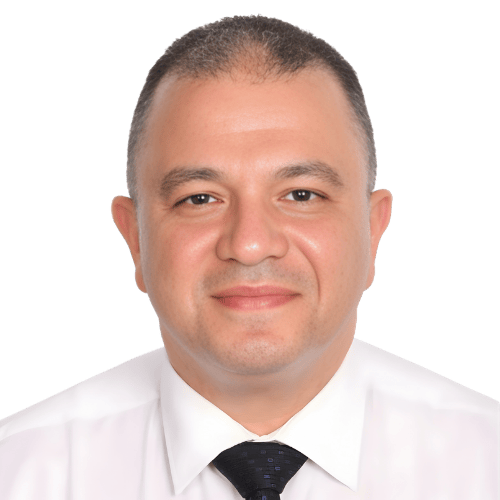
What is PTSD and symptoms ?
PTSD can affect memory, emotions, physical reactions, behaviour and relationships. It often becomes hardest when it starts to interfere with work, sleep, concentration or daily life. Experiences linked to PTSD include serious accidents, physical or sexual assault, childhood or domestic abuse, work-related trauma, serious illness, traumatic childbirth, war or conflict, and torture.
What is complex PTSD and symptoms ?
Complex PTSD is recognised in ICD-11. It can develop after prolonged or repeated trauma, especially when escape was difficult or impossible. It includes the core symptoms of PTSD and can also involve:
- Difficulty regulating emotion
- Persistent negative beliefs about yourself
- Shame, guilt, defeat or worthlessness
- Difficulty keeping relationships or feeling close to others
PTSD vs complex PTSD
| PTSD | Complex PTSD |
|---|---|
| Re-experiencing trauma | Re-experiencing trauma |
| Avoidance | Avoidance |
| Hyperarousal and heightened threat response | Hyperarousal and heightened threat response |
| Negative changes in mood and thinking | Additional difficulty regulating emotion |
| Can follow a single or multiple traumatic events | Often linked to prolonged or repeated trauma |
| May affect relationships and daily functioning | May involve persistent relationship difficulties and negative self-perception |
Complex PTSD is an ICD-11 diagnosis. DSM-5 doesn’t list it as a separate diagnosis.
Common symptoms of PTSD
- Re-experiencing: unwanted memories, flashbacks, nightmares, intrusive thoughts, or strong reactions to reminders of the trauma.
- Avoidance: steering clear of people, places, conversations or thoughts connected to what happened. This can bring short-term relief but makes it harder to return to normal life.
- Hyperarousal: being easily startled, feeling constantly on guard, irritability, difficulty relaxing, sleep problems, or a persistent sense that something is wrong.
- Changes in mood and thinking: ongoing fear, shame or guilt, emotional numbness, loss of interest, negative thoughts about yourself, or feeling disconnected from others.
- Dissociation: feeling detached from yourself, emotionally cut off, or as though the world isn’t quite real. This is an important part of assessing complex trauma.
When to consider a private PTSD assessment
It may be worth booking if:
- You have recurring flashbacks or intrusive memories
- Nightmares are affecting your sleep
- You avoid situations that remind you of the trauma
- You feel constantly on edge or unsafe
- You’ve become emotionally distant from the people around you
- Trauma symptoms are affecting your relationships or work
- You’re experiencing dissociation
- You’re unsure whether it’s PTSD, complex PTSD or something else
You don’t need to diagnose yourself before you book.
How is PTSD diagnosed?
- Your current symptoms. Intrusive memories, nightmares, flashbacks, avoidance, hyperarousal, mood changes and dissociation are explored in detail.
- Your trauma history. You’ll be asked about relevant experiences, but only in as much detail as is clinically useful. You set the pace.
- How symptoms developed. When they started and how they’ve changed helps build the picture.
- Impact on daily life. This covers work, relationships, sleep, concentration and emotional wellbeing.
- Other mental health symptoms. PTSD often occurs alongside anxiety, depression, ADHD, bipolar disorder, personality difficulties, dissociation, sleep problems or substance use, so these are considered too.
- Risk and safety. Assessed where clinically relevant, with a safety plan if needed.
What happens during the assessment?
- Before your appointment: a confidential questionnaire covers relevant symptoms and background, so appointment time is used well.
- During the consultation: you talk through your current symptoms, relevant trauma history, how things developed, sleep and emotional wellbeing, relationships and previous treatment, at a pace that feels manageable.
- Clinical formulation: everything is brought together to decide whether your presentation fits PTSD, complex PTSD, another condition, or needs further assessment.
- Recommendations: tailored to your circumstances. They may include psychological treatment, psychiatric support, medication where appropriate, or further assessment.
PTSD and other mental health conditions
Trauma symptoms rarely come alone, and many overlap with other conditions:
- Anxiety: it often occurs alongside PTSD, but the pattern of trauma-related re-experiencing and avoidance helps tell them apart. See our anxiety assessment.
- Depression: low mood, numbness and sleep disturbance can occur with both. Read about our depression assessment.
- ADHD: concentration and emotional difficulties can look similar. A detailed history helps separate long-standing ADHD from trauma-related change. See our ADHD assessment.
- Bipolar disorder: changes in mood, sleep and energy can have different causes. Read about our bipolar assessment.
- Dissociation: it can occur with trauma and needs careful assessment. See our dissociative assessment.
- Personality difficulties: long-standing patterns in relationships, emotional regulation and self-image can overlap with trauma symptoms. Read about our personality disorder assessment.
- Sleep, eating and substance use: trauma can also disrupt sleep, eating and alcohol or drug use. See our insomnia treatment, eating disorders and addiction treatment pages.
Private PTSD assessment in London
A private assessment can be an alternative to an NHS waiting list. In-person appointments are available at our London locations in Marylebone, Harley Street and Finsbury Park, subject to availability. If you’d rather not travel, secure online consultations are available from anywhere in the UK. Prof. El-Missiry is a private psychiatrist in London who also sees patients for a range of other conditions.
Online PTSD assessment across the UK
A secure online consultation covers the same core areas as an in-person one: symptoms, trauma history, mental health history, functioning and treatment recommendations. It’s a good option if you live outside London or prefer to attend from home.
PTSD assessment cost
Fee: £300. Appointment length: approximately 45–50 minutes.
The assessment includes a detailed review of PTSD and complex PTSD symptoms, relevant trauma history, the impact on daily functioning, and personalised clinical recommendations. Please confirm the current fee and availability when booking. Questions first? Contact us.
What happens after a PTSD assessment?
The goal isn’t just a label. It’s to understand your difficulties and find the right next steps. Depending on your presentation, recommendations may include:
- Trauma-focused psychological therapy
- EMDR, where clinically appropriate
- Psychiatric follow-up
- Medication, where appropriate
- Support for associated anxiety or depression
- Help with sleep difficulties
- Assessment of coexisting conditions
- Ongoing review
PTSD treatment and support
Treatment is individual. NICE recommends trauma-focused CBT for adults with PTSD, and EMDR in specified circumstances. Medication can also be considered where a patient prefers drug treatment, with clinical review. For complex PTSD or additional difficulties, treatment may need to account for safety, stability, dissociation, emotional regulation, relationships and negative self-perception. The right plan depends on your symptoms, history and preferences, not a one-size-fits-all approach.
Why choose Prof. Ahmed El-Missiry?
Prof. Ahmed El-Missiry is a Consultant Psychiatrist and Professor of Psychiatry who provides private care for PTSD, anxiety, depression, ADHD, bipolar disorder, OCD, insomnia and more. His approach to PTSD assessment focuses on:
- Individual clinical assessment
- Trauma-informed psychiatric care
- Recognising both PTSD and complex PTSD presentations
- Considering coexisting mental health conditions
- Assessing functional impact
- Personalised clinical recommendations
- Confidential consultations, in London or online UK-wide
Read more on our About Us page, or see all our services.
Clinical guidance
This approach is informed by recognised psychiatric diagnostic guidance and UK clinical recommendations. NICE guidance on PTSD covers re-experiencing, avoidance, hyperarousal, dissociation, negative changes in mood and thinking, and functional impairment, along with recommended psychological and other treatments. For further reading, see the NICE guideline for post-traumatic stress disorder.
Frequently asked questions
Can a psychiatrist diagnose PTSD?
Yes, based on a detailed clinical assessment, not a single online test.
What is the difference between PTSD and complex PTSD?
Both share the core symptoms of PTSD. Complex PTSD, recognised in ICD-11, can also involve difficulty regulating emotion, persistent negative self-beliefs and problems keeping relationships.
Can PTSD develop years after trauma?
Yes. Symptoms can appear or worsen long after the original event, and the assessment can explore that link.
Do I have to describe the trauma in detail?
Only as much as is clinically relevant, and at a pace that feels manageable for you.
Can PTSD occur with depression?
Yes, and the assessment looks at how the two interact.
Can PTSD occur with anxiety?
Yes. A detailed assessment helps identify the pattern between them.
Can PTSD cause sleep problems?
Yes, including nightmares and disturbed sleep, which the assessment takes into account.
Can PTSD involve dissociation?
Yes. It’s an important symptom considered in a comprehensive assessment.
Is PTSD assessment available online?
Yes, across the UK, subject to clinical suitability.
How long does the assessment take?
Around 45–50 minutes.
How much does a private PTSD assessment cost?
£300. Please confirm the current fee before booking.
What happens after the assessment?
You’ll receive personalised recommendations, which may include psychological treatment, psychiatric support, medication where appropriate, or further assessment.
Book a private PTSD assessment
If trauma-related symptoms are affecting your wellbeing, relationships, sleep, work or everyday life, a psychiatric assessment can help clarify what’s contributing and what options may help.
Book a private PTSD & Complex PTSD assessment
Appointments are available online UK-wide, with London appointments subject to location and availability.
Important information about urgent mental health problems
A private psychiatric appointment is not an emergency service. If you or someone else is in immediate danger, at risk of serious harm, or needs urgent medical attention, call 999, go to your nearest A&E, or use the appropriate NHS urgent mental health service. If you’re unsure what’s appropriate, call NHS 111.
If you’re experiencing trauma-related symptoms but aren’t in immediate danger, you can arrange a private psychiatric assessment to discuss your concerns.
Prof. Ahmed El-Missiry, Consultant Psychiatrist, GMC No. 06032945